Why Shih Tzus Can Be Tricky to Potty Train
Shih Tzus aren’t harder to potty train because they’re less intelligent. They’re small, and small dogs have small bladders, which means less warning time and more frequent trips outside than a larger breed needs. Toy breeds are also notoriously good at sneaking off to a corner of the house without you noticing, simply because there’s less of them to spot.
The American Shih Tzu Club recommends a firm routine, noting that puppies should go out at a minimum upon waking (including from naps), shortly after meals, after play sessions, before and after being crated, and before bed. For young puppies, that works out to roughly every two to three hours.
Most trainers use the “age in months plus one” rule for how long a puppy can hold it during the day: a 3-month-old puppy can typically hold it for about 3-4 hours. Overnight, most puppies can stretch that a bit longer since they’re less active, but don’t expect a full 8 hours from a puppy under 4 months old.
A Schedule That Actually Works
| Puppy age | Potty break frequency | Notes |
|---|---|---|
| 8-10 weeks | Every 1-2 hours | Plus immediately after waking, eating, and playing |
| 2-3 months | Every 2 hours | Add an hour to the interval for each month of age going forward |
| 4-6 months | Every 3-4 hours | Bladder control is improving but accidents still happen under stress |
| 6+ months | Every 4-6 hours | Most Shih Tzus are largely reliable by now with a consistent routine |
These numbers are a starting point, not a guarantee. Dogster’s vet-reviewed guide puts it well: think of a puppy the way you’d think of a toddler who hasn’t learned to “hold it” yet. When they have to go, they have to go, schedule or no schedule.
Step-by-Step: How to Potty Train a Shih Tzu Puppy
-
Pick one spot and one phrase Choose a single potty spot outside and a consistent cue like “go potty.” Walk your puppy to that exact spot every time, on leash, rather than just opening the door and hoping.
-
Feed on a schedule, not free-fed Regular meal times mean a predictable digestive schedule. If food is available all day, potty timing becomes a guessing game.
-
Watch for the signs Sniffing the floor, circling, sudden stillness, or heading toward a door are all cues. Interrupt calmly and get your puppy outside immediately rather than waiting to see what happens.
-
Reward within seconds, every time Praise or a small treat needs to happen the moment they finish, not after you’ve both walked back inside. Timing is what makes the connection stick.
-
Use the crate when you can’t supervise Dogs instinctively avoid soiling where they sleep. A properly sized crate (just big enough to stand, turn around, and lie down) uses that instinct in your favor when you can’t watch your puppy directly.
-
Clean accidents with an enzymatic cleaner Regular cleaners don’t fully remove the scent markers that tell a puppy “this is a bathroom spot.” An enzymatic cleaner actually breaks them down.
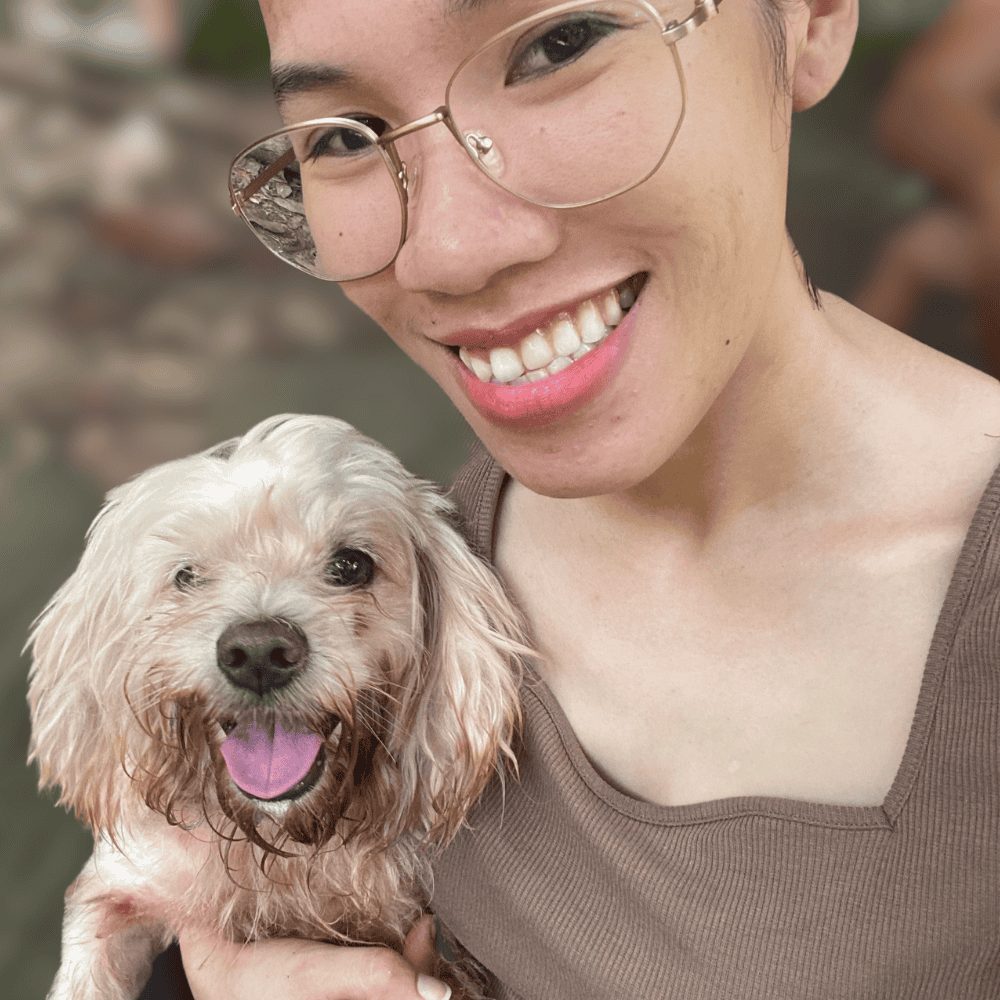
The week I actually cracked it with Cooper was the week I stopped multitasking during potty breaks. No phone, no chatting with a neighbor, just standing there watching him and saying the cue word the second he started going. Distracted supervision is barely supervision at all.
Mistakes That Slow Things Down
Do
- Take your puppy out on leash, to the same spot
- Reward immediately, every single time
- Keep meals on a consistent schedule
- Use the crate for unsupervised time
- Stay patient through regressions
Avoid
- Scolding or yelling after an accident
- Rubbing their nose in it (it doesn’t work and damages trust)
- Free-feeding throughout the day
- Giving up leash walks to the potty spot too early
- Assuming one good week means training is finished
The AKC’s Good Dog Helpline trainers sum up the entire method in two words: scheduling and supervision. Miss either one and progress stalls, no matter how smart your dog is.
How Long Does It Actually Take?
Realistically, expect somewhere between a few weeks and a few months of consistent effort before accidents become rare. Growth spurts, teething, a change in routine, or a new environment can all cause temporary regressions, even in a puppy who seemed fully trained. That’s not failure, it’s normal.
If accidents suddenly increase in a puppy who was previously reliable, it’s worth a vet visit. A urinary tract infection can look exactly like a training regression, and no amount of consistency fixes a medical issue.
The Bottom Line
Potty training a Shih Tzu comes down to two things you control: a schedule you actually stick to, and supervision you don’t multitask through. Cooper wasn’t stubborn. I just wasn’t paying close enough attention yet. Once that changed, so did he.