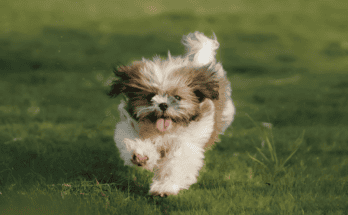
Plain peanut butter with no added sugar, salt, oils, or artificial sweeteners is a safe, protein-rich treat for Shih Tzus in small amounts. The one non-negotiable rule: it must never contain xylitol.
Read the label before you read anything else in this post
Some peanut butter brands now contain xylitol, an artificial sweetener that is safe for people but can be fatal for dogs. The FDA has issued a specific consumer warning about xylitol showing up in “sugar-free” or “diet” peanut and nut butters. If a label lists xylitol, birch sugar, or birch bark extract, that jar is not safe for Cooper, or for any dog.
Can Shih Tzus eat peanut butter? According to the American Kennel Club, regular peanut butter is fine for dogs in moderation, as long as it does not contain xylitol. Hepper’s veterinary review confirms the same: the peanut butter itself is not the risk, the additive is.
Let’s cover why xylitol is so dangerous, what’s actually good about peanut butter for a Shih Tzu, and exactly how much Cooper is allowed to lick off the spoon.
Why Xylitol Is So Dangerous for Dogs
In humans, xylitol does not trigger an insulin response, which is exactly why it’s marketed as a diabetic-friendly sweetener. In dogs, it’s the opposite: the body mistakes xylitol for real sugar and releases a flood of insulin, which can cause blood sugar to crash within 10 to 60 minutes, according to Hepper’s veterinary team. The FDA warns that symptoms, including vomiting, weakness, loss of coordination, and seizures, can appear within 15 to 30 minutes, and that liver failure is possible in more severe cases. This is a genuine emergency, not a minor stomach upset.
The tricky part is that xylitol shows up under names that don’t always sound like an artificial sweetener: birch sugar, birch bark extract, or wood sugar. It’s most common in “sugar-free,” “diet,” or “keto” labeled peanut butter, so a product doesn’t need to look unusual to be dangerous. If a Shih Tzu (or any dog) ever eats peanut butter containing xylitol, this is an emergency: call a vet or animal poison control immediately rather than waiting to see if symptoms develop.
Why Peanut Butter Is Good for Shih Tzus (When It’s Plain)
Assuming the label is clean, plain peanut butter actually brings some real nutritional value to the table:
Peanut butter is roughly 25% protein, supporting muscle, skin, and coat health, according to Hepper’s veterinary review.
Monounsaturated and polyunsaturated fats support skin hydration and a healthy coat, though they’re also why portions need to stay small.
Helps convert fat and sugar into usable energy and supports a healthy digestive tract.
An antioxidant that supports eye, skin, and muscle health, and helps regulate metabolism.
Peanut butter contains both soluble and insoluble fiber, which can help support regular digestion in small amounts.
The sticky texture and strong flavor make it one of the most reliable ways to get a Shih Tzu to take a pill without a fight.
A note specific to Shih Tzus
Peanut butter is calorie-dense and high in fat, which matters a lot for a toy breed with a small daily calorie budget. Embrace Pet Insurance recommends capping small dogs (under 20 lbs) at half a tablespoon per day, and a Shih Tzu sits well within that “small dog” category. Given that adult Shih Tzus need only around 340 calories a day, it’s safest to stay toward the lower end of that range rather than the upper end.
How to Safely Give Peanut Butter to a Shih Tzu
-
Check the label every single time Formulations change, and a brand that was safe last month could reformulate. Look specifically for xylitol, birch sugar, or birch bark extract before buying or refilling.
-
Choose natural, plain peanut butter The ingredient list should ideally say just “peanuts,” or “peanuts and salt.” Skip anything with added sugar, oils, or artificial sweeteners of any kind.
-
Start with a very small amount A quarter teaspoon is plenty for a first try. Wait 24 hours and watch for any signs of an upset stomach or allergic reaction before making it a regular treat.
-
Use it sparingly, not daily Because of the fat and calorie content, peanut butter is better treated as an occasional reward or pill-hiding tool than a daily habit for a small breed.
-
Serve it directly or in a stuffed toy A small dab on a spoon, mixed into food, or smeared thinly inside a Kong-style toy are all good ways to serve it without overdoing the portion.
How Much Peanut Butter Can a Shih Tzu Eat? (Portion Guide)
Treats, including peanut butter, should make up no more than 10% of a Shih Tzu’s daily calories. Peanut butter runs around 95 calories per tablespoon, which adds up quickly for a dog with only about 340 calories to work with each day.
| Shih Tzu Life Stage | Recommended Amount | Frequency |
|---|---|---|
| Puppy | A quarter teaspoon | Occasionally, not daily |
| Adult | Up to half a tablespoon | A few times a week at most |
| Senior | A small dab, or skip if weight-managed | Occasionally, check with a vet |
In practice, Cooper’s frozen Kong gets a thin smear, not a packed scoop, of plain peanut butter, usually once or twice a week. It keeps him entertained for a solid twenty minutes without turning into a calorie problem.
Risks of Feeding Peanut Butter to Shih Tzus
Beyond xylitol, a few other things are worth keeping in mind for a small breed:
Weight gain and pancreatitis: Peanut butter is calorie-dense and high in fat. Overfeeding it, especially for a breed prone to weight gain, raises the risk of obesity and, in dogs with a history of pancreatitis, can trigger a flare-up.
Added sugar and salt: Even without xylitol, some peanut butters are loaded with added sugar or salt, neither of which a Shih Tzu needs.
Choking on the texture: Thick, sticky peanut butter can occasionally pose a choking risk for small dogs that gulp rather than lick. Thin it slightly or offer small amounts at a time.
Peanut allergies: Uncommon but possible. Watch for itching, hives, or gastrointestinal upset the first time a Shih Tzu tries peanut butter, and stop if any of these appear.
The Do’s and Don’ts of Peanut Butter for Shih Tzus
✅ Do’s
- Check the label for xylitol every time
- Choose plain, natural peanut butter
- Start with a small first-time amount
- Cap adults at about half a tablespoon
- Use it to hide pills or fill a puzzle toy
- Treat it as occasional, not daily
❌ Don’ts
- Never feed peanut butter containing xylitol
- No added sugar, salt, or oils
- Don’t feed straight from a large spoon daily
- Don’t give to a dog with peanut allergies
- Avoid overfeeding if pancreatitis-prone
- Don’t assume “natural” always means xylitol-free
So, Can Shih Tzus Eat Peanut Butter? The Bottom Line
Yes, Shih Tzus can eat peanut butter, and in small amounts, it’s a genuinely useful treat: protein, healthy fats, a couple of helpful vitamins, and an unbeatable way to disguise medication. The entire question comes down to one label check: no xylitol, no added sugar, no added salt.
Cooper’s frozen peanut butter Kong remains a weekly ritual in this house, and it will stay that way, precisely because I now check the ingredient list every time I buy a new jar. That one habit is the difference between a great treat and a trip to the emergency vet. 🐾
Sources & References
- American Kennel Club: Can Dogs Eat Peanut Butter?
- U.S. Food and Drug Administration: Xylitol and Your Dog, Danger, Paws Off
- Hepper: Can Dogs Eat Peanut Butter? (Vet-Approved)
- Hepper: The Health Benefits of Peanut Butter for Dogs
- Embrace Pet Insurance: Is Peanut Butter Good for Dogs?
- American Natural Premium: Best Dog Food for Shih Tzus