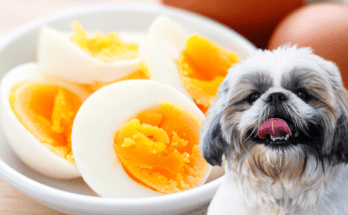
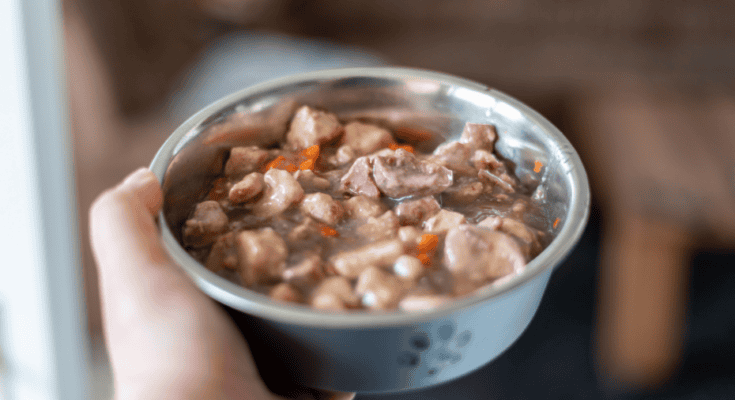
Wet food is a completely valid daily diet for Shih Tzus when it is nutritionally complete, portioned correctly, and free of harmful additives. Many vets actually recommend it for this breed’s specific needs.
The short answer is yes, but the longer answer has some important nuance. According to the American Kennel Club, wet food is not just acceptable for dogs but can offer distinct advantages over dry kibble depending on the dog’s breed, age, and health profile. For Shih Tzus specifically, those advantages are worth knowing in detail.
Let me walk through what the research actually says: the real benefits, the real risks, how much to feed, what to look for on the label, and exactly how Cooper’s feeding routine changed.
Why Wet Food Is a Good Option for Shih Tzus
Wet food is not just kibble with extra water. The texture, palatability, and nutrient delivery are genuinely different, and for a breed like the Shih Tzu, several of those differences matter quite a lot.
Wet food is typically 70 to 85% water. This helps Shih Tzus stay hydrated throughout the day, which supports kidney function, digestion, and urinary tract health. This is especially important for small dogs who often do not drink enough water on their own.
Shih Tzus are notoriously picky. The stronger smell and softer texture of wet food is far more appealing to many Shih Tzus than dry kibble, which helps ensure they are actually eating enough at each meal.
Shih Tzus are a brachycephalic breed with a flattened face and a crowded, misaligned bite. Wet food requires no crunching and is much easier for them to eat comfortably, especially for puppies and seniors.
Many wet foods have a higher meat protein percentage and lower carbohydrate content compared to dry kibble, which supports lean muscle mass and steady energy in a small breed prone to weight gain.
Wet food’s high water content increases satiety without increasing calories. For a Shih Tzu prone to obesity, this can make it easier to keep them feeling full on a reduced calorie intake.
The softer consistency is gentler on the digestive tract and can be especially beneficial for Shih Tzus with sensitive stomachs, IBD, or conditions that make processing harder foods uncomfortable.
PetMD notes that wet food is particularly suitable for small and toy breeds because of the hydration benefit and palatability factor, both of which are ongoing concerns with Shih Tzus.
Is It Safe to Feed a Shih Tzu Wet Food Every Single Day?
A note specific to Shih Tzus
Shih Tzus are a small, brachycephalic breed with a daily calorie need of approximately 340 to 400 calories for an adult. VCA Animal Hospitals explains that any diet fed daily must be nutritionally complete and balanced according to AAFCO standards. The label “complete and balanced” on a wet food can means it meets those daily nutritional requirements on its own, without supplementation. If the can does not say this, it is a complementary or topper food and not appropriate as a sole daily diet.
Yes, wet food is safe to feed every day, provided it is a complete and balanced formula designed for the dog’s life stage. Hill’s Pet Nutrition confirms that there is no inherent health risk in feeding wet food as a dog’s sole daily diet, as long as the food meets AAFCO nutritional standards. The key is choosing the right product.
The Association of American Feed Control Officials (AAFCO) sets the nutritional standards for commercial dog food in the United States. A wet food labelled “complete and balanced for all life stages” or “for adult maintenance” has met minimum requirements for protein, fat, vitamins, and minerals through either formulation or feeding trials. The FDA explains that this label is the single most important thing to check when evaluating whether a food is safe as a daily sole diet. Foods labelled as “topper,” “treat,” or “complementary” have not met these standards and should not be the primary food source.
Wet Food vs. Dry Food for Shih Tzus: How They Compare
Neither wet nor dry food is universally superior. The right choice depends on the individual Shih Tzu’s health profile, preferences, and life stage. Here is a side-by-side comparison of the key factors.
| Factor | Wet Food | Dry Kibble |
|---|---|---|
| Moisture content | 70–85% Advantage | 8–12% |
| Palatability | High, strong aroma Advantage | Lower for picky eaters |
| Dental health | No scrubbing action Neutral | Slight abrasive action on teeth |
| Calorie density | Lower per gram Advantage | Higher per gram |
| Shelf life (opened) | 2–3 days refrigerated Neutral | Weeks in a sealed container |
| Cost | Generally higher Disadvantage | Generally lower per serving |
| Ease of eating | Ideal for brachycephalic breeds Advantage | Can be difficult for flat-faced dogs |
| Protein content | Often higher % of animal protein Advantage | Varies widely by brand |
The AKC notes that some owners choose to mix wet and dry food as a middle-ground approach that combines the hydration and palatability benefits of wet food with the dental and convenience benefits of dry kibble. This mixed approach is completely valid for Shih Tzus who do well with both textures.
How Much Wet Food Should a Shih Tzu Eat Per Day?
Portion sizing for wet food is different from dry food because the water content adds volume without adding proportional calories. Always start with the feeding guidelines on the specific can or pouch, as calorie density varies significantly between brands.
Always weigh portions, do not guess
Wet food can look like more or less food depending on the texture and how it is scooped. PetMD recommends using a kitchen scale to measure wet food portions by weight rather than relying on visual estimation, especially for a small breed like the Shih Tzu where a 100-calorie miscalculation can meaningfully impact daily intake and long-term weight.
How to Choose a Good Wet Food for a Shih Tzu
Not all wet foods are created equal. Here is what to look for and what to avoid when choosing a daily wet food for a Shih Tzu.
-
Look for the AAFCO statement The can or pouch must state “complete and balanced” for the appropriate life stage (puppy, adult, or all life stages). If it says “complementary” or “topper,” it is not suitable as a sole daily diet.
-
Check that meat is the first ingredient Real, named animal protein such as chicken, turkey, salmon, or beef should be listed first on the ingredient list. Avoid foods where the first ingredient is water, a grain, or a meat by-product without a named species.
-
Avoid artificial additives, fillers, and excessive sodium Shih Tzus are small dogs with sensitive systems. Look for foods with no artificial colours, flavours, or preservatives. Sodium levels matter too, as high salt content can be problematic for long-term kidney health.
-
Choose the right life stage formula Puppies, adults, and seniors have different nutritional needs. An adult maintenance formula fed to a puppy will not provide the extra protein and calcium a growing Shih Tzu needs.
-
Transition gradually from any previous diet Banfield Pet Hospital recommends a 7-to-10-day transition period when switching any dog to a new food. Start by mixing 25% new food with 75% old food, then slowly shift the ratio to avoid digestive upset.
Potential Risks of Feeding Wet Food Daily
Wet food is safe and beneficial for most Shih Tzus, but there are a few considerations worth knowing before committing to it as the sole daily diet.
Dental health: Unlike dry kibble, wet food does not have any mechanical scrubbing effect on teeth. The American Veterinary Dental College emphasizes that daily tooth brushing is important for all dogs, but it becomes even more critical if wet food is the primary diet. Without regular brushing, tartar and plaque can build up faster in Shih Tzus, who are already prone to dental crowding.
Spoilage: Wet food spoils quickly once opened. Uneaten food left in the bowl for more than 2 to 4 hours in warm conditions can develop harmful bacteria. Always refrigerate unused portions promptly and discard anything left out for more than a couple of hours. Do not serve cold food straight from the fridge. Let it come to room temperature first, or warm it slightly to improve palatability and digestibility.
Overfeeding: Because wet food looks voluminous, owners sometimes assume their Shih Tzu is eating less than they are. Wet food still contains real calories, so always calculate based on the kilocalories per can printed on the label, not visual estimate.
Cost: Feeding wet food exclusively is more expensive than dry kibble. For owners managing a budget, a combination diet of wet food and high-quality dry kibble can be a practical middle ground that preserves the hydration and palatability benefits while keeping costs manageable.
Frequently Asked Questions
Yes, if the wet food is labelled “complete and balanced” for the appropriate life stage. A nutritionally complete wet food meets all of a Shih Tzu’s daily requirements without needing kibble or supplementation. Just ensure dental hygiene is maintained through daily brushing since wet food provides no teeth-cleaning action.
Absolutely. Mixing is a popular and vet-approved approach. It combines the hydration and palatability benefits of wet food with the convenience, cost, and dental texture benefits of dry kibble. Keep the total daily calorie count in mind when mixing and reduce the dry food portion proportionally to account for the wet food calories added.
No more than 2 to 4 hours at room temperature, and less in warm weather. Wet food spoils quickly once exposed to air. If Cooper walks away and leaves food in the bowl, cover it and refrigerate it, or discard it after a couple of hours. Never leave wet food out overnight.
Not inherently. Wet food tends to be lower in calories per gram than dry kibble due to its water content. In fact, many vets recommend wet food as part of a weight management plan because the high moisture increases fullness. Weight gain only happens when total daily calories exceed the dog’s needs, regardless of whether those calories come from wet or dry food.
If a Shih Tzu is consistently refusing dry food, switching to or adding wet food is a reasonable response. Palatability is a genuine concern for this breed, and a dog that is not eating is not thriving. Choose a nutritionally complete wet food, transition gradually, and monitor weight and stool consistency in the weeks after switching. If the food refusal is sudden or accompanied by other symptoms, consult a vet to rule out dental pain or illness.
The Do’s and Don’ts of Wet Food for Shih Tzus
✅ Do’s
- Choose AAFCO “complete and balanced” formulas
- Verify meat is the first ingredient
- Measure portions by weight, not eye
- Brush teeth daily to compensate for lack of crunch
- Refrigerate unused portions promptly
- Transition slowly over 7–10 days
- Match formula to life stage (puppy/adult/senior)
❌ Don’ts
- Do not use “complementary” or “topper” foods as sole diet
- Do not leave wet food out for more than 2–4 hours
- Do not serve cold straight from the fridge
- Do not overfeed; wet food still has real calories
- Avoid foods with high salt or artificial additives
- Do not switch foods abruptly without transitioning
So, Can Shih Tzus Eat Wet Food Every Day? The Bottom Line
Yes, and for many Shih Tzus, it is actually the better daily option. The high moisture content supports hydration and kidney health. The texture is ideal for a brachycephalic breed that sometimes struggles with crunchy kibble. The palatability tends to be higher, which matters a lot for a notoriously picky eater. And for weight management, the lower calorie density per gram can make it easier to keep a Shih Tzu at a healthy weight without leaving them feeling hungry.
Cooper still gets dry kibble in his bowl every day. But now there is always a spoonful of wet food mixed in, and the difference has been night and day. He cleans the bowl every time. His coat looks great, his energy is steady, and his weight has stayed exactly where it should be. The wet food was not a fix for pickiness so much as it was the right call for a breed that genuinely benefits from the extra moisture and palatability.
If a Shih Tzu is thriving on dry food alone, there is no urgent reason to change anything. But if there is any hesitation at the bowl, any hydration concern, or any sign of difficulty crunching, adding wet food daily is a completely sound and well-supported choice. Just make sure the label says complete and balanced, measure portions carefully, and keep up with daily tooth brushing. 🐾
Sources & References
- American Kennel Club: Wet vs. Dry Dog Food
- PetMD: Wet vs. Dry Dog Food
- PetMD: How Much Wet Food Should I Feed My Dog?
- Hill’s Pet Nutrition: Wet vs. Dry Dog Food
- VCA Animal Hospitals: Feeding Your Adult Dog FAQ
- U.S. Food & Drug Administration: Pet Food Labeling
- Banfield Pet Hospital: How to Switch Your Dog’s Food Safely
- American Veterinary Dental College: Dog Dental Care for Pet Owners
- Purina: Wet Dog Food vs. Dry Dog Food
- American Natural Premium: Best Dog Food for Shih Tzus From Puppy to Senior