
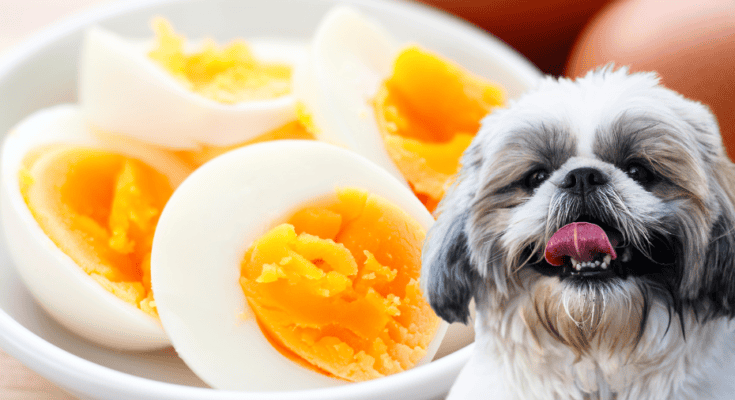
Cooked, plain eggs are safe and genuinely nutritious for Shih Tzus. They are one of the most complete protein sources available for dogs. The key rules: always cooked, always plain, always in moderation.
Can Shih Tzus eat eggs? According to Purina Senior Nutritionist Jan Dempsey, eggs are considered a gold standard protein source for dogs because they come about as close to 100 percent complete protein as any food can get. And for a breed like the Shih Tzu that needs high-quality protein to support a healthy coat, muscles, and energy, that is a pretty big deal.
But as with most good things, there are rules. Let me walk through the science, the Shih Tzu-specific details, and exactly how Cooper gets his eggs.
Why Eggs Are Good for Shih Tzus
PetMD notes that every part of a cooked egg, including the white, yolk, and even the shell, offers nutritional benefits for dogs. Here is what Shih Tzus stand to gain:
Eggs contain all the essential amino acids dogs need for muscle development, tissue repair, and immune support. A single large egg delivers about 7 grams of complete protein.
The fatty acids and omega-3s in eggs support skin hydration and a soft, shiny coat, which matters a lot for a breed as coat-proud as the Shih Tzu.
Supports healthy vision, immune function, skin, and coat. Essential for overall wellness in Shih Tzus, who are prone to eye and skin issues.
Found especially in eggshells, these minerals support strong bones and teeth. Important for small breeds whose dental health needs extra attention.
Riboflavin, B12, and folate support brain function, enzyme production, nervous system health, and red blood cell production.
Selenium supports thyroid function and may help prevent cancer. Iron supports healthy red blood cell production and energy levels.
Fluffy Dog Breeds notes that eggs are particularly valuable for Shih Tzus because protein is a major dietary need for the breed, making eggs more beneficial than many other treat foods that are safe but not especially nutritious.
Can Shih Tzus Eat Eggs Safely? What the Science Says
A note specific to Shih Tzus
Adult Shih Tzus need only around 340 calories per day and are prone to obesity. A single large egg is about 70 to 80 calories, which is a significant chunk of a Shih Tzu’s daily budget. This is why Hepper recommends no more than a quarter of an egg per day, or one whole cooked egg once or twice a week at most.
Eggs are listed among the top recommended protein sources for Shih Tzus in homemade and fresh food diets, alongside chicken, turkey, and fish. Petsworld confirms that eggs are loaded with protein, iron, and biotin, all of which support healthy skin, a shiny coat, and muscle development in Shih Tzus specifically.
PetMD explains that raw egg whites contain a protein called avidin, which binds to biotin (Vitamin B7) and prevents its absorption in the body. Biotin supports healthy skin, coat, digestion, and cell function. Regular consumption of raw egg whites can lead to biotin deficiency over time. Cooking the egg neutralizes avidin completely, making cooked eggs both safe and fully nutritious. Raw eggs also carry a risk of Salmonella contamination, which can cause vomiting, diarrhea, and dehydration in dogs.
How to Safely Prepare Eggs for a Shih Tzu
-
Always cook the egg fully Boiled, scrambled, or poached all work well. Hard-boiled is the simplest and easiest to portion. Cooking neutralizes avidin and eliminates Salmonella risk.
-
Keep it plain No butter, oil, salt, pepper, cheese, or any other seasoning. Shih Tzus do not need any of it, and many of these additives are actively harmful for small dogs.
-
Let it cool before serving A freshly boiled egg can burn a small dog’s mouth. Let it cool completely before cutting into small, soft pieces for Cooper.
-
Cut into small pieces Shih Tzus have tiny mouths and tend to eat fast. Cut or mash the egg into small, manageable bites to avoid any choking risk.
-
Introduce slowly First time offering eggs to a Shih Tzu? Start with a very small portion and wait 24 hours to watch for any signs of sensitivity or allergic reaction before offering more.
How Many Eggs Can a Shih Tzu Eat? (Portion Guide)
Because Shih Tzus are such a small breed, portion control matters more than it does for larger dogs. PetMD recommends that all treats, including eggs, make up no more than 10% of a dog’s daily calorie intake. For a Shih Tzu on a 340-calorie-per-day diet, that is just 34 calories from treats, which is less than half an egg.
| Shih Tzu Life Stage | Recommended Amount | Frequency |
|---|---|---|
| Puppy | A very small piece, well cooked | Occasionally, not daily |
| Adult | Up to a quarter of an egg per day | 1 to 2 times per week max |
| Senior | Small portions only | Check with vet, especially if weight is a concern |
For context, Cooper gets a small piece of boiled egg mixed into his regular food once or twice a week. It is enough for him to get the nutritional benefit without pushing his calorie count over what a Shih Tzu of his size needs.
Risks of Feeding Eggs to Shih Tzus
Eggs are one of the safer human foods for dogs, but there are a few things worth keeping in mind:
Weight gain: Hepper flags that Shih Tzus can easily become obese, and eggs are calorie-dense. Even a healthy food can cause weight gain if portions are not controlled carefully for this breed.
Pancreatitis risk: Egg yolks are higher in fat than egg whites. For Shih Tzus with a history of pancreatitis or those on a low-fat diet, PetMD recommends feeding only egg whites or skipping eggs altogether.
Egg allergies: While not common in Shih Tzus specifically, some dogs can develop an allergy to egg proteins. Signs include itchy or inflamed skin, chronic ear infections, excessive scratching, face rubbing, obsessive licking, and gastrointestinal upset. Stop feeding eggs and consult a vet if any of these appear.
Raw eggs: Never feed raw eggs to a Shih Tzu. The avidin and Salmonella risks are real, and there is no nutritional benefit to raw eggs that cooked eggs do not also provide.
The Do’s and Don’ts of Eggs for Shih Tzus
✅ Do’s
- Always cook eggs fully
- Serve plain with no seasonings
- Cut into small soft pieces
- Introduce slowly and watch for reactions
- Stick to the 10% treat rule
- Choose free-range eggs when possible
❌ Don’ts
- Never feed raw eggs
- No butter, oil, salt, or seasoning
- No fried eggs
- No scotch eggs or processed egg dishes
- Do not overfeed (obesity risk)
- Avoid if dog has pancreatitis history
So, Can Shih Tzus Eat Eggs? The Bottom Line
Yes, Shih Tzus can eat eggs, and Cooper is living proof that a little boiled egg goes a long way. It is one of the most nutritionally complete treats a Shih Tzu can have: protein, healthy fats, vitamins, and minerals all in one small package. As long as it is cooked, plain, and given in portions that match a Shih Tzu’s small calorie budget, there is nothing to worry about.
The next time Cooper plants himself at my feet while I am making breakfast, he will get his little piece of hard-boiled egg. No butter. No salt. Cooled down. Cut into small bites. He does not know the difference, and he acts like it is the greatest thing in the world either way. 🐾
Sources & References
- Purina: Can Dogs Eat Eggs? (Jan Dempsey, Senior Nutritionist)
- PetMD: Can Dogs Eat Eggs? Benefits, Risks, and Feeding Tips
- American Kennel Club: Can Dogs Eat Eggs?
- Chewy: Can Dogs Eat Eggs? (Dr. Albert Ahn, DVM)
- WebMD Pets: Can Dogs Eat Eggs?
- Hepper: Can Shih Tzus Eat Eggs? (Vet-Verified)
- Fluffy Dog Breeds: Can Shih Tzu Eat Eggs?
- Petsworld: Best Feeding Tips for Your Shih Tzu
- American Natural Premium: Best Dog Food for Shih Tzus
- Noble Vet Clinic: Can Dogs Eat Eggs? Benefits, Risks, and Feeding Tips