
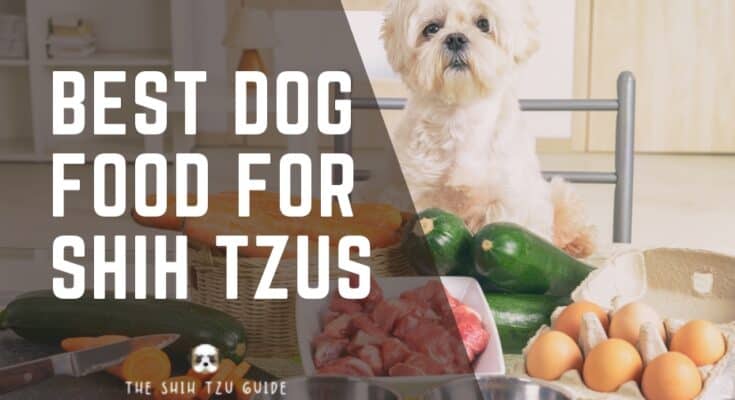
If you’ve ever stood in the pet food aisle staring at thirty bags of kibble while your Shih Tzu waits at home with strong opinions about dinner, this guide is for you.
Cooper, my own Shih Tzu, has turned down food that other dogs would inhale. Shih Tzus are notoriously particular eaters, but feeding a picky Shih Tzu isn’t just about finding something they’ll accept. The right food needs to actually support their coat, skin, digestion, and energy. Those priorities are baked into the breed’s physiology, and understanding them makes it a lot easier to evaluate any dog food label.
What Shih Tzus Actually Need from Their Food
Before getting into specific products, it helps to know what you’re looking for on that ingredient panel.
Protein is the most important building block. Nutritional guides for Shih Tzus recommend that 20–30% of their diet come from high-quality animal protein, including chicken, turkey, lamb, or fish. The protein source matters too: animal-based protein is more bioavailable for dogs than plant-based fillers. Adult Shih Tzus generally need 15–20% protein, and look for a named protein (chicken, salmon, lamb) listed as the first ingredient.
Healthy fats are what keep that signature Shih Tzu coat looking its best. Omega-3 and Omega-6 fatty acids, ideally from sources like fish oil or flaxseed, support skin health, reduce dryness, and maintain coat shine.
AAFCO sets minimums at 5% fat (adult) and 8% (puppy) on an as-fed basis for complete dog foods, with small breeds like Shih Tzus tolerating higher levels up to 20% in analyzed products. Recommended Shih Tzu foods show 18–22% fat dry matter, supporting energy and coat health without excess for weight management.
Digestible carbohydrates matter because Shih Tzus have sensitive stomachs. Complex carbs like sweet potatoes, brown rice, and pumpkin provide steady energy and support digestion better than starchy fillers. Excess starchy carbohydrates can cause weight gain and digestive upset, both real concerns for this breed.
Kibble size is a practical consideration that’s easy to overlook. Shih Tzus are brachycephalic. They have a compressed, flat-faced skull structure with a characteristic underbite. Kibble designed for their specific jaw shape makes it easier to pick up and chew, reducing frustration at mealtime.
A note on grain-free diets: The FDA has been investigating a potential link between grain-free dog foods, particularly those listing peas, lentils, chickpeas, or potatoes as primary ingredients, and dilated cardiomyopathy (DCM), a serious heart condition. More than 90% of foods reported in DCM cases were grain-free, and 93% contained peas and/or lentils. The causal relationship has not been definitively proven, but researchers at Tufts University note that peas in particular appear to be the strongest dietary predictor associated with DCM cases. This doesn’t mean every grain-free food is dangerous, but it is worth discussing with your vet before committing to a grain-free diet long-term.
5 Best Dog Food for Shih Tzu For Sale 2025 Reviews and Ratings
These five options come up consistently in Shih Tzu owner communities. Each has different strengths, price points, and trade-offs worth knowing.
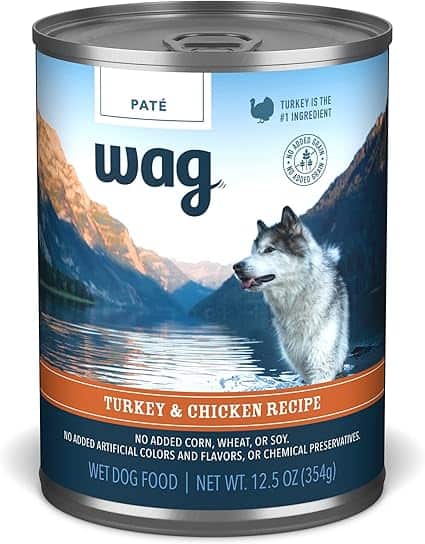
1. Amazon Brand – Wag Pate Canned Dog Food
Best for: Budget-conscious owners who want wet food for a picky eater or a dog with dental issues.
Wag is Amazon’s own pet food line. This canned pate uses turkey as the first ingredient and is grain-free, with no artificial colors or preservatives. It comes in 12.5 oz cans with pull-tab lids, making it convenient for daily use. It’s made in the United States, though some ingredients are sourced globally.
What’s inside: Turkey, chicken, turkey liver, inulin (a prebiotic fiber), and thickening agents including cassia gum, guar gum, and carrageenan. Added vitamins and minerals meet AAFCO guidelines.
The soft pate texture makes it easier for dogs with dental problems to eat and can be mixed into dry kibble to increase palatability for picky eaters.
What owners say: Many report that picky dogs who ignore other wet foods will eat Wag readily. The texture and turkey flavor tend to win over resistant eaters. Some owners use it as a kibble topper rather than a standalone meal.
That said, there are mixed reviews. A subset of owners has reported digestive issues ranging from loose stools to more serious reactions. The 9% crude fat content may be too rich for Shih Tzus with sensitive stomachs. Carrageenan, one of the thickening agents, has drawn scrutiny in some research for potential inflammatory effects in the gut, though it remains approved for use in pet food under current AAFCO guidelines.
Bottom line: Wag is a reasonable budget option for a healthy Shih Tzu, especially as a kibble mixer. Approach cautiously if your dog has a sensitive stomach, and introduce it slowly.
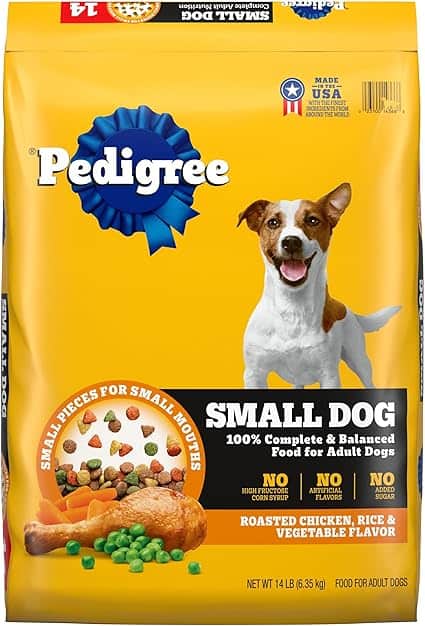
2. Pedigree Complete Nutrition Small Dog Dry Dog Food
Best for: Owners on a tight budget who need a widely available, accepted option.
Pedigree is one of the most recognized pet food brands globally. Their small breed dry formula uses smaller kibble pieces and includes 36 vitamins, minerals, and amino acids. Omega-6 fatty acids and zinc are added to support coat and skin health.
What’s inside: Ground whole grain corn, chicken by-product meal, corn gluten meal, meat and bone meal, brewers rice, and soybean meal. Artificial colors and the preservative BHA are present.
This is the most affordable option on this list, and many dogs accept it readily. However, the ingredient quality is notably lower than the other options here. Corn is the first ingredient, followed by by-products and fillers. BHA is a preservative that some pet owners and researchers flag as worth avoiding in the long term.
What owners say: Many small dog owners report their Shih Tzus will eat Pedigree when they reject other dry foods. Acceptance is high. However, negative reviews cite digestive issues including bloating and loose stools, and some owners felt the “tender bites” label was misleading. The kibble was harder than expected, which could be a problem for older dogs or dogs with dental issues.
Bottom line: If budget is the primary constraint, Pedigree works as a short-term or transitional option. For long-term feeding, the heavy reliance on corn and by-products gives most veterinary nutritionists pause.
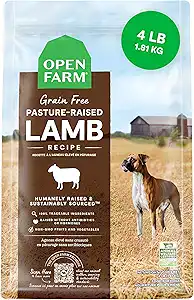
3. Open Farm Grain-Free Dry Dog Food
Best for: Owners who prioritize ingredient sourcing, transparency, and ethical production.
Open Farm is one of the more transparent brands on the market. Their pasture-raised lamb formula uses non-GMO vegetables and what they describe as ethically sourced proteins. Every ingredient is traceable through their website, which is a meaningful differentiator in a market where sourcing is often opaque.
What’s inside: Lamb, chickpeas, peas, herring meal, lentils, pumpkin, carrots, apples, salmon oil, coconut oil, and turmeric. No corn, wheat, soy, or artificial preservatives.
The ingredient list is genuinely clean. Lamb is a good protein alternative for dogs with chicken sensitivities. The superfood additions (pumpkin, coconut oil, turmeric) have real nutritional value.
The important caveat: This formula contains peas, lentils, and chickpeas as primary ingredients. All of which fall into the category flagged by the FDA’s ongoing investigation into diet-associated dilated cardiomyopathy. If your Shih Tzu is going to eat this food long-term, this is a conversation worth having with your vet. The research is not settled, but the signal is real enough that veterinary cardiologists have taken it seriously.
What owners say: Owners with dogs who have chicken or beef allergies often find this formula works well. Improvements in stool firmness and digestion are frequently mentioned. On the downside, some dogs refuse the kibble, and others experience GI upset during the transition. The price is significantly higher than most other options on this list.
Bottom line: If you want clean, traceable ingredients and your Shih Tzu tolerates it well, Open Farm is a high-quality option. Factor in the DCM discussion with your vet, and introduce it gradually.
4. Purina Pro Plan Small Breed Dry Dog Food
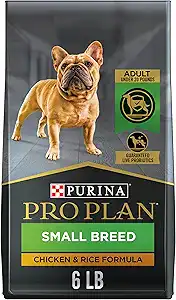
Best for: Owners who want a vet-trusted, research-backed formula with a proven track record.
Purina Pro Plan is one of the most consistently recommended brands by veterinarians, and for reasons that go beyond marketing. Purina employs a team of nearly 500 nutritionists, veterinarians, and scientists, and importantly, they conduct actual feeding trials, not just formulation testing, to validate their food. They are one of only a few major brands that employ board-certified veterinary nutritionists and run AAFCO feeding trials, which means their claims about nutrition are grounded in observed outcomes, not just nutrient math.
The small breed formula uses real chicken as the first ingredient, includes live probiotics to support gut health and immunity, and comes in a bite-sized kibble appropriate for small mouths.
What’s inside: Chicken, rice, poultry by-product meal, whole grain corn, beef tallow, fish meal, dried egg product, and guaranteed live probiotics. The AAFCO animal feeding tests confirm complete and balanced nutrition for adult maintenance.
What owners say: Coat condition, digestion, and even breath odor are commonly reported improvements after switching to Pro Plan. Dogs tend to enjoy the taste, and the kibble size is appropriate for breeds under 15 lbs. It also has a Sensitive Skin & Stomach variant (salmon and rice) that removes wheat, soy, and artificial additives, a strong option if your Shih Tzu has known sensitivities.
The main trade-off is the inclusion of by-products and corn, which puts some ingredient-focused owners off. A few long-term users have also noted formula changes over the years that affected their dogs’ tolerance.
Bottom line: For most Shih Tzu owners who want a reliable, vet-recommended formula without the price of a boutique brand, Pro Plan is a strong default choice. If your dog has skin issues, the Sensitive Skin & Stomach salmon formula is worth considering specifically.
5. Royal Canin Dry Dog Food
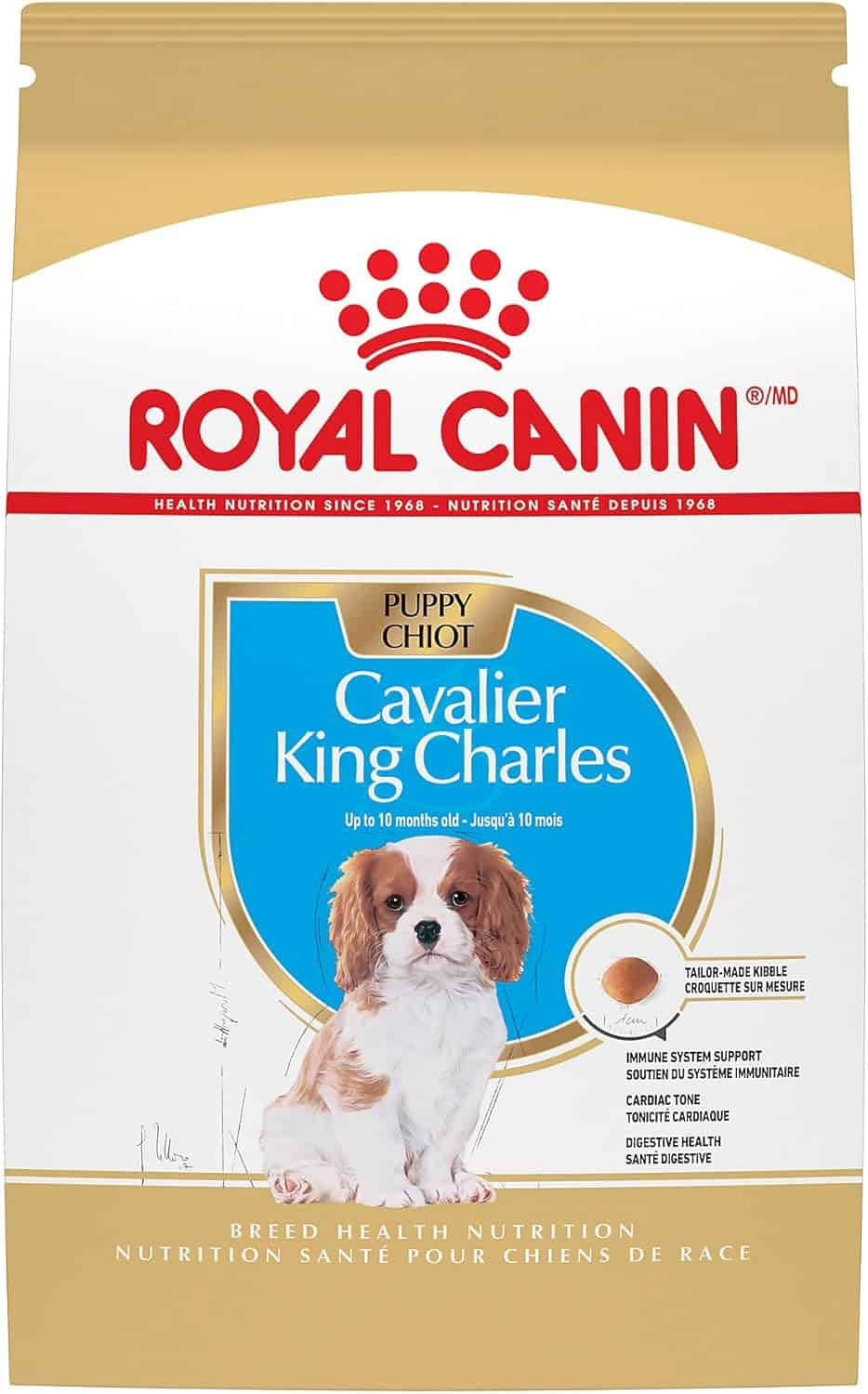
Best for: Owners who want a formula engineered specifically for the Shih Tzu’s unique anatomy and common health concerns.
Royal Canin takes a different approach from most brands: rather than general small-breed formulas, they create formulas designed around specific breeds. The Shih Tzu Adult formula has a uniquely shaped kibble designed to accommodate the breed’s short muzzle and underbite, making it genuinely easier to pick up and chew. This isn’t marketing fluff. The brachycephalic jaw is a real eating challenge for this breed, and most generic kibble isn’t designed with it in mind.
The formula includes EPA, DHA, vitamin A, omega-3 and omega-6 fatty acids, and biotin specifically to support the Shih Tzu’s skin barrier and coat quality. Highly digestible proteins and precise fiber content are included to support stool quality and reduce odor, a common Shih Tzu complaint.
What’s inside: Brewers rice, corn, chicken by-product meal, chicken fat, fish oil, glucosamine, chondroitin, and chicory root. Natural tocopherols are used as preservatives rather than BHA or BHT. It is grain-inclusive, and research currently does not support grain-inclusive diets being associated with DCM.
What owners say: Coat improvement is the most frequently cited result, along with better digestion and reduced stool odor. Picky eaters often accept it well, which is consistent with Royal Canin’s palatability research. The formula has not been recalled, though Royal Canin as a company has had recalls on other products in the past.
The downsides are real: this is the most expensive option on the list, available only in a 10 lb bag, and relies heavily on by-products and brewers rice rather than whole proteins and whole grains. It’s also a grain-inclusive formula, which may concern owners who’ve been told grain-free is healthier. However, current evidence actually suggests the opposite.
Bottom line: Royal Canin Shih Tzu is the most breed-specific option available. If your dog has trouble with other kibbles due to jaw issues, coat problems, or digestive sensitivity, it’s worth the investment. For a healthy Shih Tzu without those concerns, the price premium may be harder to justify.
How to Choose and Switch Foods
No single food works for every dog. A few practical principles worth applying regardless of which option you choose:
Transition slowly. Mix the new food in with the current food over 7–10 days, gradually increasing the proportion of new food. Jumping straight to a new formula is one of the most common causes of digestive upset, even with a high-quality food.
Don’t panic at a skipped meal. If your Shih Tzu skips breakfast but seems otherwise healthy, take up the bowl after 20 minutes and wait for the next meal. Offering something tastier in response to refusal teaches them that holding out gets rewarded.
Don’t upgrade snacks without a plan. Treats should make up no more than 10% of daily caloric intake. Adding rich toppers or treat upgrades while changing food makes it harder to isolate what’s causing any reaction.
Watch weight carefully. Shih Tzus are prone to obesity because of their low activity level relative to their metabolic calorie needs. Use the feeding guide on the bag as a starting point, not a rule. Adjust based on your dog’s actual body condition.
Consult your vet for persistent issues. Chronic digestive upset, skin problems, or significant pickiness lasting more than a week or two warrants a veterinary conversation. Food sensitivities in Shih Tzus are real, and a vet can help identify whether the issue is the food, an underlying condition, or something else.
Disclaimer: I’m a Shih Tzu owner, not a veterinarian. The information in this article is intended for general guidance only. Always consult your veterinarian before making significant changes to your dog’s diet, especially if your dog has existing health conditions or food sensitivities.